Silky Daisy: The Handwritten Typeface for Charming Product Branding
I was staring at a blank canvas in my design software, trying to finalize the labels for my new line of lavender soy candles. I had the packaging mockup ready, the color palette selected, and even the ribbon tied, but something felt missing. The text on the label looked too rigid, too corporate for a product that promised relaxation and comfort. That’s when I decided to swap out my usual go-to sans serif for Silky Daisy. Within seconds, the entire vibe shifted. It wasn’t just text anymore; it felt like a personal note from the maker to the buyer. This delicate and cute handwritten font brought an instant warmth to the candle jar, making it feel less like a mass-produced item and more like a thoughtful gift.
If you are a crafter, handmade seller, or printable creator looking to elevate your shop materials, you know that typography is often the silent ambassador of your brand. It sets the tone before a customer even reads your description. Silky Daisy, created by Script Amp, fits perfectly into this niche. It is natural, stylish, and incredibly adept for a variety of designs, both formal and informal. Whether you are designing boutique tags, wedding invitations, or digital downloads, understanding how to wield a creative font like Silky Daisy can transform your product presentation from ordinary to unforgettable.
Why Silky Daisy Resonates with Makers and Sellers
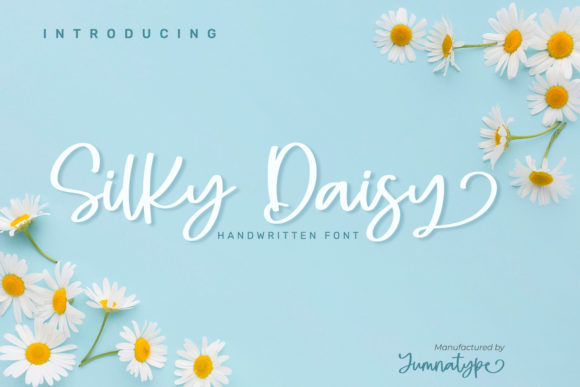
The visual personality of Silky Daisy is defined by its fluidity and charm. It mimics the organic flow of a brush pen or a fine liner, offering a sense of movement that static block letters lack. For handmade businesses, this "handmade" aesthetic is crucial. Customers buy into the story of the artisan as much as the product itself. When your typography reflects care and attention to detail, it reinforces the value of your craft.
I’ve found that Silky Daisy works beautifully across different mediums. On physical products, such as mugs, shirts, and tote bags, the clean lines of the script ensure that the design remains legible even when printed on textured fabrics or curved surfaces. In the digital realm, it shines in listing images and social media graphics. A well-designed header using Silky Daisy can stop the scroll, drawing eyes to your latest seasonal collection or limited-edition printable wall art. Its modern typography balances elegance with approachability, making it suitable for everything from high-end wedding stationery to playful holiday tags.
Real-World Applications for Your Shop
One of the most satisfying aspects of working with Silky Daisy is seeing it come to life on various projects. Here are some realistic scenarios where this typeface has proven to be a game-changer for product makers:
- Candle and Soap Labels: As mentioned earlier, the soft curves of Silky Daisy complement the soothing nature of bath and body products. It pairs exceptionally well with minimalist layouts, allowing the product name to stand out without overwhelming the ingredient list.
- Greeting Cards and Invitations: For wedding invitations or birthday cards, Silky Daisy adds a touch of romance and celebration. It is perfect for names, dates, and short phrases like "You’re Invited" or "Happy Birthday." The font’s natural style makes each card feel bespoke, even if you are producing them in bulk.
- Boutique Packaging and Tags: Small details matter. Using Silky Daisy on hang tags or thank-you cards creates a cohesive brand identity. When a customer receives their order, the consistent use of a charming font throughout the unboxing experience builds emotional appeal and encourages repeat business.
- Printable Wall Art and Planner Pages: If you sell digital assets, Silky Daisy is excellent for inspirational quotes or section headers in planners. Its readability ensures that users can enjoy the aesthetic without straining their eyes, which is vital for functional printables.
- Seasonal Craft Designs: From farmhouse signs to Christmas ornaments, the versatility of Silky Daisy allows you to adapt your branding for holidays. It feels festive yet timeless, avoiding the tacky look that some overly decorative fonts can produce.
Design Tips for Maximum Impact
While Silky Daisy is versatile, getting the most out of it requires a strategic approach to layout and pairing. Because it is a script font, it is best suited for short phrases, names, titles, and decorative wording rather than long paragraphs of text. Trying to set a full sentence in Silky Daisy can reduce readability and make your design look cluttered.
To enhance the visual hierarchy of your designs, consider font pairing. Silky Daisy pairs beautifully with a clean sans serif font for secondary information, such as prices, descriptions, or instructions. The contrast between the flowing script and the structured sans serif creates a balanced composition that is easy on the eyes. Alternatively, pairing it with a simple serif font can add a touch of classic elegance, particularly useful for editorial design or luxury packaging design.
When preparing files for cutting machines like Cricut or Silhouette, keep in mind the scale of your project. For small stickers or product labels, ensure that the letterforms are large enough to remain distinct after cutting. Test prints are your best friend here. Print a small batch on the actual material you intend to use—whether it’s vinyl, paper, or fabric—to check how the ink interacts with the surface. This step helps avoid issues with bleed-through or loss of fine details, ensuring that your final product looks professional and polished.
Technical Considerations and Licensing
Before integrating Silky Daisy into your commercial products, it is essential to review the technical specifications provided by Script Amp. Check for included styles, alternates, ligatures, swashes, and weights. These features can add unique flair to your designs, allowing you to customize text for specific needs, such as highlighting a single word in a logo design or adding a flourish to a monogram.
Also, verify the file formats available. High-resolution vector files (like SVG or EPS) are ideal for large format printing, such as banners or signs, while TrueType (TTF) or OpenType (OTF) files are standard for general use in design software. Additionally, confirm multilingual support if your shop caters to international customers. Proper language coverage ensures that your designs remain accessible and culturally appropriate.
Perhaps the most critical aspect for any seller is understanding the commercial font licensing. Ensure that your license permits the use of Silky Daisy on physical merchandise, templates, printables, and digital downloads. Some licenses may have restrictions on the number of end-products or require additional fees for high-volume sales. By adhering to these guidelines, you protect your business and respect the intellectual property of the designer.
Elevating Your Brand Identity
In the crowded marketplace of handmade goods and digital downloads, standing out requires more than just a quality product; it demands a strong brand identity. Typography plays a pivotal role in this identity. Silky Daisy offers a distinctive voice that communicates creativity, care, and style. By incorporating this typeface into your shop branding, you create a recognizable aesthetic that customers will associate with your work.
Whether you are updating your Etsy shop banner, redesigning your product labels, or creating new social media graphics, let Silky Daisy guide your creative decisions. Its natural and stylish qualities make it a reliable partner in crafting designs that resonate with your audience. So, the next time you are preparing a mockup or testing a sticker sheet, give Silky Daisy a try. You might find, as I did, that it brings the perfect finishing touch to your handmade creations.